
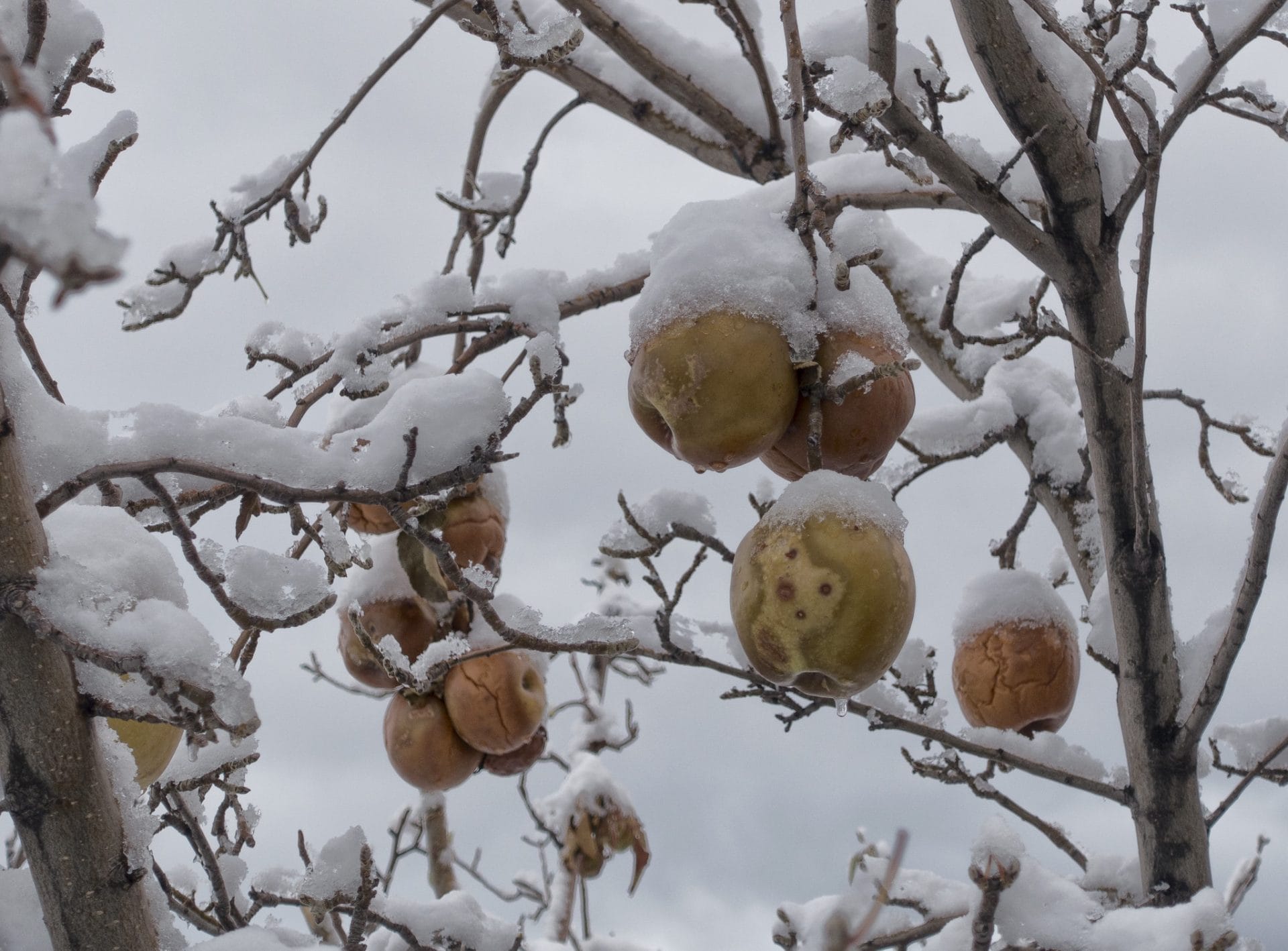
Fruit trees are one of the most rewarding additions to any garden. They provide beautiful blossoms in spring, shade in summer, and harvests of apples, pears, cherries, or plums in the fall. But once the growing season ends, your work isn’t finished. Fruit trees need proper preparation and protection to survive the winter and thrive in the next season.
Cold weather, fluctuating temperatures, hungry wildlife, and winter sun all pose risks to fruit trees. With the right care, however, you can prevent damage and give your trees the best chance for healthy growth come spring. Here’s a step-by-step guide to preparing and protecting your fruit trees for winter.
1. Clean Up Around the Tree
The first step in winter preparation is tidying up the base of the tree. Fallen leaves, rotting fruit, and debris can harbor pests and diseases that overwinter in the soil and re-emerge in spring.
-
Rake up all fallen leaves and dispose of any that show signs of disease (such as apple scab or fire blight) in municipal waste, not compost.
-
Remove mummified fruit still hanging on branches—these can spread fungal spores next year.
-
Pull or hoe out weeds around the base of the tree, as weeds compete for nutrients and create hiding spots for rodents.
A clean base sets the stage for healthier soil and fewer pest problems in the growing season.
2. Mulch to Protect Roots
Mulching is one of the most effective ways to shield roots from extreme cold and temperature fluctuations. Spread a 7–10 cm (3–4 inch) layer of organic mulch—such as wood chips, shredded bark, or straw—around the tree’s drip line.
A proper mulch layer:
-
Keeps soil moisture stable through winter.
-
Insulates roots against deep freezes.
-
Reduces frost heaving (when roots get pushed upward by freeze-thaw cycles).
Important tip: Keep mulch a few inches away from the trunk. Piling it directly against the bark can cause rot and encourage rodents to nest there.
3. Prune Carefully (But Not Too Much)
Winter is not the time for heavy pruning, but some light cuts can help protect the tree. Remove:
-
Broken or diseased branches.
-
Suckers growing at the base.
-
Water sprouts (vigorous, vertical shoots) that crowd the canopy.
Save major pruning for late winter or early spring, before buds break. Over-pruning in autumn can stimulate new growth that won’t have time to harden off before frost.
If your tree is young or has weak branches, consider supporting limbs with stakes or ties to prevent winter snow or ice from snapping them.
4. Wrap the Trunk for Protection
Fruit trees are vulnerable to two common winter issues: sunscald and rodent damage.
-
Sunscald happens when winter sun warms the trunk during the day, followed by freezing at night. This causes bark to crack or peel. Wrapping trunks with white tree guards or using plastic spirals reflects sunlight and moderates temperature swings.
-
Rodent damage occurs when rabbits or voles chew bark for food. Guards, hardware cloth, or plastic wraps around the lower trunk prevent gnawing. Be sure guards extend 5–10 cm below ground level if possible, since rodents can burrow under snow.
Remove protective wraps in spring to prevent moisture buildup and allow air circulation.
5. Water Before the Ground Freezes
Even as the weather cools, fruit trees still need water. Going into winter dehydrated makes trees more vulnerable to cold stress. Give your trees a deep soak in late fall, just before the ground freezes.
This final watering helps:
-
Prevent desiccation (drying out) during cold, windy days.
-
Maintain soil moisture for root health.
-
Reduce the risk of winter injury in young trees.
For mature trees, a slow, deep watering around the root zone is best. For younger trees, focus near the base where roots are concentrated.
6. Apply Dormant Sprays (Optional but Helpful)
Dormant sprays are applied after leaves fall but before temperatures dip too low. Horticultural oil or lime sulfur sprays can smother overwintering pests such as mites, scale insects, and aphids.
If your trees suffered from heavy pest or disease pressure during the summer, a dormant spray can give them a clean slate for spring. Always follow product instructions carefully, and apply only during mild, dry weather.
7. Shield Against Heavy Snow and Ice
Snow is generally beneficial—it insulates roots and adds moisture. But heavy snow or ice accumulation can break branches, especially on young or semi-dwarf trees.
To protect:
-
Shake off heavy snow gently with a broom.
-
Avoid knocking ice—it’s best to let it melt naturally.
-
For espaliered or trained trees, check supports and wires before winter storms hit.
If you live in an area with frequent ice storms, consider wrapping vulnerable branches with burlap or using stakes for extra support.
8. Monitor Through the Season
Winter protection isn’t a one-time job. Check trees periodically throughout the season:
-
Ensure wraps are still secure.
-
Remove snow piled against trunks after storms.
-
Look for signs of rodent activity.
These small checks prevent minor issues from becoming major problems before spring.
Final Thoughts
Preparing fruit trees for winter doesn’t take much effort, but it pays huge dividends. By cleaning up debris, mulching, pruning lightly, wrapping trunks, watering deeply, and monitoring through the season, you safeguard your investment and ensure stronger growth in the year ahead.
Healthy, well-protected trees are far more likely to bounce back quickly when spring arrives—rewarding you again with blossoms, shade, and delicious fruit.